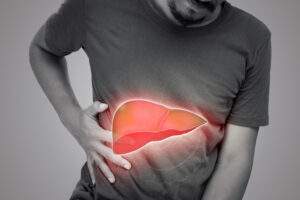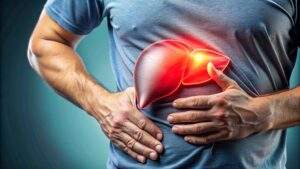
The liver silently handles hundreds of vital functions—processing food, filtering toxins, supporting immunity, storing nutrients, and helping digestion. Because it works quietly in the background, most people don’t realize when it starts getting damaged. Many liver diseases progress slowly and show symptoms only when the condition becomes severe. That’s why knowing the warning signs and getting the right tests at the right time is crucial for protecting your health.
Warning Signs You Should Never Ignore
Liver diseases—like fatty liver, hepatitis, cirrhosis, alcoholic liver disease, or bile duct disorders—may start with mild symptoms. But these small changes can signal a bigger problem.
-
1. Persistent Tiredness & Weakness
Feeling tired even after resting? Constant fatigue can be a sign your liver isn’t able to filter toxins properly. When toxins remain in the blood, they affect energy levels and make you feel drained. -
2. Yellowing of Skin or Eyes (Jaundice)
Jaundice is one of the clearest signs of liver damage. It happens when bilirubin builds up in the blood due to improper processing by the liver. If you notice yellow skin, yellow eyes, or dark yellow urine—visit a doctor immediately. -
3. Abdominal Pain & Swelling
Pain or heaviness on the right side of the upper abdomen, bloating, or swelling can indicate inflammation, fatty liver, or fluid accumulation in the abdomen (ascites). These require urgent evaluation. -
4. Nausea, Vomiting & Loss of Appetite
A damaged liver affects digestion and metabolism. Feeling full quickly, losing interest in food, or vomiting regularly may be early signs of liver disorder. -
5. Sudden Weight Loss
Rapid weight loss without dieting or exercise is a red flag. It could be due to chronic hepatitis, liver cancer, or advanced liver disease. -
6. Dark Urine, Pale Stool, or Itchy Skin
Changes in urine and stool color indicate bile flow problems. Constant itching happens when bile salts build up below the skin surface. These are clear reasons to consult a specialist. -
7. Swelling in Legs & Feet
Poor liver function affects protein production and blood circulation, causing fluid to collect in the lower limbs.
High-Risk Groups Who Should Stay Alert
You should consider consulting a liver specialist even without symptoms if you fall in any of these categories:
- People with diabetes, obesity, or high cholesterol
- Individuals who consume alcohol regularly
- Patients with hepatitis A, B, or C
- Family history of liver disease
- Long-term medication use (painkillers, steroids, herbal supplements)
- Non-alcoholic fatty liver due to a sedentary lifestyle
- Exposure to contaminated food, unsafe injections, or unsterile medical/dental procedures
These high-risk groups should get routine liver check-ups to avoid complications.
Essential Tests to Diagnose Liver Problems
When you visit a liver specialist, they may recommend a set of tests to understand your liver function and detect disease early.
-
Liver Function Test (LFT)
A simple blood test that checks enzyme levels, protein production, and bilirubin. Abnormal results indicate inflammation or damage. -
Ultrasound Abdomen
Helps detect fatty liver, cysts, tumors, gallbladder stones, and changes in liver size or texture. -
FibroScan / Elastography
A painless scan that measures liver stiffness. It detects fibrosis and cirrhosis without biopsy. -
Viral Marker Tests
Blood tests to check for Hepatitis A, B, C, or other infections. -
MRI, CT Scan or Biopsy
Recommended in serious or unclear cases to accurately diagnose tumors, cirrhosis, or advanced disease.
Why Early Detection Matters
Liver diseases are treatable when detected early. Fatty liver can be reversed with diet and lifestyle. Hepatitis can be managed or cured with medicines. Early cirrhosis treatment can stop progression.
Ignoring symptoms may lead to:
- Liver failure
- Fluid accumulation and bleeding
- Need for long-term medication
- Liver transplant
- Life-threatening complications
Timely action saves lives.
Take Care of Your Liver – Protect Your Health
If you notice any warning signs—or if you are in a high-risk group—do not delay. A liver specialist can help with diagnosis, lifestyle modifications, medication, and long-term monitoring. Simple changes like quitting alcohol, reducing weight, eating healthy, staying active, and avoiding unnecessary medicines can protect your liver.