The liver is one of the most vital organs in the human body. It filters toxins, produces bile for digestion, stores nutrients, and supports immunity. Despite doing so much, the liver often suffers silently. Most liver diseases do not show obvious symptoms in the early stages, and when signs finally appear, significant damage may have already occurred.
That is why it is important to recognize early warning signals. Identifying liver problems on time allows proper treatment and prevents life-threatening complications such as cirrhosis, liver failure, or cancer. Here are some crucial early signs of liver disease you should never ignore.
-
1. Persistent Fatigue and Weakness
If you constantly feel tired even after resting, it may be more than stress or lack of sleep. When the liver cannot properly filter toxins and maintain blood sugar levels, the body feels weak and exhausted. Chronic fatigue is one of the earliest and most common symptoms of liver problems. -
2. Yellowing of Eyes or Skin (Jaundice)
Jaundice is one of the clearest visible signs of liver distress. When the liver fails to process bilirubin, it builds up in the bloodstream and causes yellow discoloration of the eyes and skin. Jaundice may also cause dark urine and pale stools. This condition should be treated immediately, as it indicates serious liver dysfunction. -
3. Abdominal Pain or Swelling
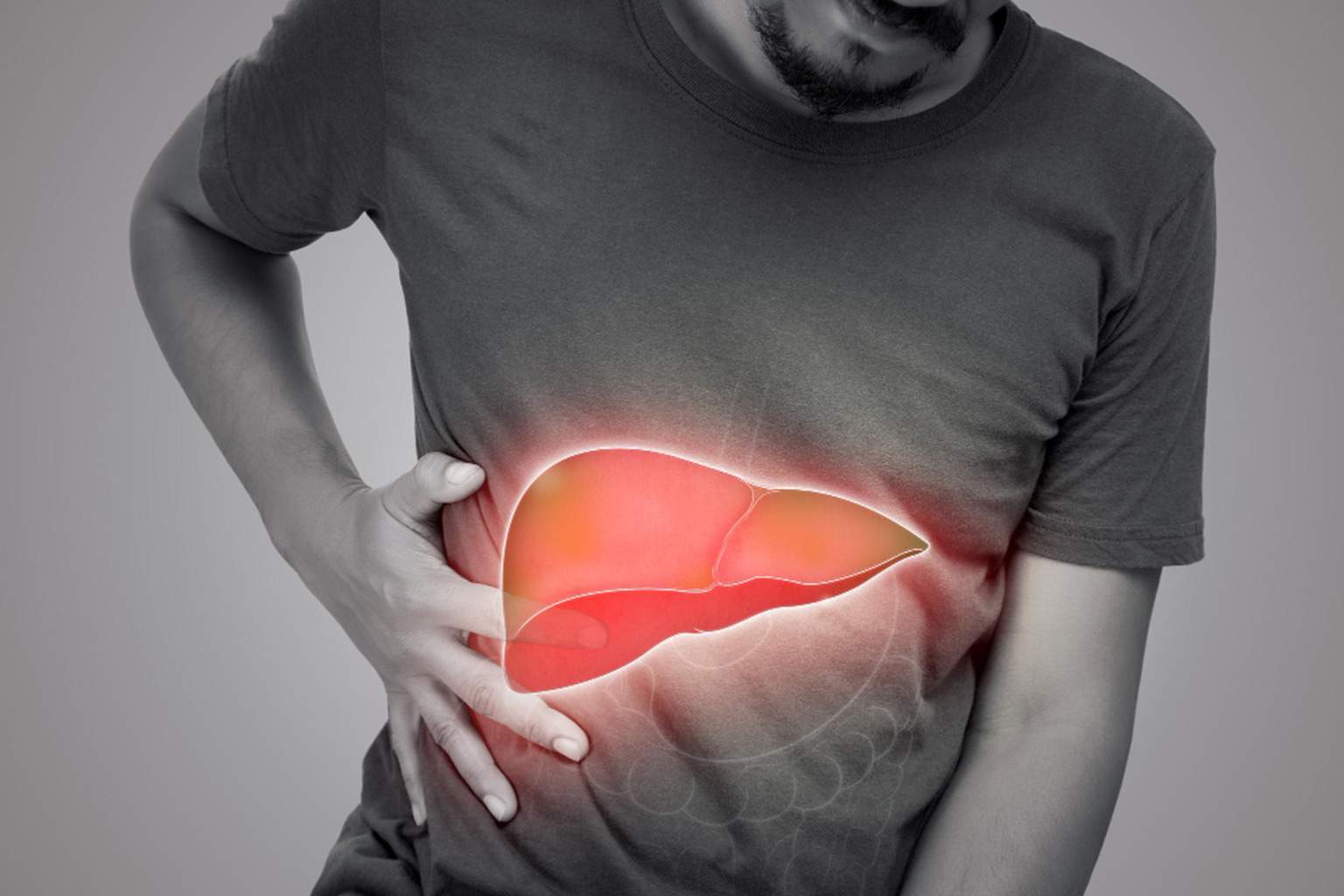
Pain or discomfort on the upper right side of the abdomen (where the liver is located) can suggest inflammation or enlargement. Some people also develop abdominal swelling due to fluid buildup, known as ascites. Ignoring abdominal pain—especially if persistent—can worsen the condition. -
4. Loss of Appetite, Nausea, or Vomiting
When the liver is not functioning well, digestion becomes affected. Many patients experience a constant feeling of nausea, vomiting, or a reduced desire to eat. Unexplained weight loss can also accompany loss of appetite. If you notice these symptoms for more than a few days, consult a doctor. -
5. Dark Urine and Pale or Clay-Colored Stool
Urine that turns unusually dark, despite drinking enough water, is a red flag. It indicates excess bilirubin being removed through urine instead of by the liver. Pale or clay-colored stool also indicates that bile production or flow is obstructed. Both signs require urgent evaluation. -
6. Itchy Skin Without a Rash
Persistent itching without any skin allergy or rash can be a surprising sign of liver disease. When bile salts deposit under the skin due to improper liver function, it can cause continuous itchiness—often worse at night. -
7. Easy Bruising or Bleeding
The liver produces proteins required for blood clotting. When damaged, clotting becomes weak, and patients may bruise easily, have frequent nosebleeds, or bleed excessively from minor cuts. This is often seen in advanced liver disease. -
8. Swollen Legs and Ankles
Fluid retention in the legs or ankles (edema) occurs when the liver struggles to produce certain proteins that maintain fluid balance. Many people assume swelling is due to standing too long or heart issues—but liver disease is also a major cause. -
9. Confusion, Memory Issues, or Mood Changes
When the liver fails to remove toxins, they accumulate in the bloodstream and affect the brain. This can lead to confusion, memory loss, sleep disturbances, irritability, or difficulty concentrating. In severe cases, this condition is called hepatic encephalopathy.
Who Is at Higher Risk?
Certain factors increase the chances of liver disease:
- Excess alcohol consumption
- Obesity and fatty liver
- Hepatitis infections
- Diabetes and high cholesterol
- Long-term medication or steroid use
- Family history of liver illness
If you fall into any of these categories, regular liver checkups are strongly advised.
When Should You See a Doctor?
You should seek medical help if:
- Symptoms persist more than a few days
- Jaundice, sudden swelling, or severe abdominal pain appears
- Unexplained fatigue or appetite loss continues
- Blood tests show abnormal liver function
Early detection can prevent serious complications and help the liver recover.
Can Liver Disease Be Prevented?
Yes. Simple lifestyle changes can protect your liver:
- Maintain a healthy weight
- Eat a balanced diet and limit oily foods
- Avoid excessive alcohol
- Stay active and exercise regularly
- Get vaccinated for Hepatitis A & B
- Avoid unnecessary medication or self-prescription
- Go for routine checkups if you’re at risk
Final Thoughts
Liver disease often develops slowly and silently. By the time major symptoms appear, the damage can be severe. Paying attention to early warning signs—like fatigue, jaundice, abdominal pain, or changes in urine and stool—can make a life-saving difference.
If you or someone you know is experiencing these symptoms, do not ignore them. Consult a gastroenterologist or hepatologist for proper diagnosis and treatment. A healthy liver means a healthier, longer life.