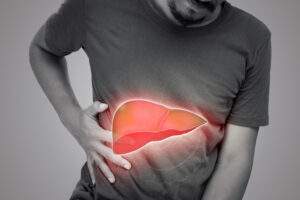
Your liver plays a vital role in keeping your body healthy—it helps with digestion, detoxification, and metabolism. However, liver problems often develop silently, showing symptoms only when the condition becomes serious. This is why knowing when to see a hepatologist (liver specialist) is extremely important.
In this blog, we’ll help you understand the key signs, conditions, and situations where consulting a hepatologist is necessary.
Who is a Hepatologist?
A hepatologist is a doctor who specializes in diagnosing and treating diseases related to the liver, gallbladder, bile ducts, and pancreas. They manage conditions ranging from mild liver infections to serious diseases like cirrhosis and liver failure.
Common Signs You Should See a Hepatologist
1. Persistent Fatigue & Weakness
If you constantly feel tired even after proper rest, it could be a sign of liver dysfunction. The liver plays a key role in energy production, and any issue can lead to fatigue.
2. Yellowing of Skin or Eyes (Jaundice)
One of the most noticeable signs of liver problems is jaundice. It occurs due to a buildup of bilirubin in the body and requires immediate medical attention.
3. Abdominal Pain or Swelling
Pain or discomfort in the upper right side of your abdomen may indicate liver inflammation or enlargement. Swelling (ascites) can also signal advanced liver disease.
4. Dark Urine & Pale Stools
Changes in urine or stool color can indicate liver issues. Dark urine and pale or clay-colored stools are warning signs that should not be ignored.
5. Unexplained Weight Loss or Loss of Appetite
Sudden weight loss without trying or a constant lack of appetite can be linked to liver conditions and should be evaluated by a specialist.
6. Nausea & Vomiting
Frequent nausea or vomiting, especially when combined with other symptoms, could indicate liver dysfunction.
Medical Conditions That Require a Hepatologist
You should consult a hepatologist if you are diagnosed with or suspected to have:
- Hepatitis A, B, or C
- Fatty liver disease (NAFLD/NASH)
- Alcohol-related liver disease
- Liver cirrhosis
- Liver tumors or cancer
- Genetic liver disorders
- Gallbladder or bile duct diseases
High-Risk Individuals Who Should Get Checked
Even without symptoms, some people should proactively consult a hepatologist:
- Heavy alcohol consumers
- People with obesity or diabetes
- Individuals with a family history of liver disease
- Patients with abnormal liver function tests
Those taking long-term medications affecting the liver
When It Becomes an Emergency
Seek immediate medical help if you experience:
- Severe abdominal pain
- Confusion or difficulty thinking clearly
- Vomiting blood
- Swelling in legs and abdomen
- Sudden jaundice
These may indicate advanced liver disease or liver failure.
Importance of Early Diagnosis
Early detection of liver problems can prevent complications and improve treatment outcomes. Many liver diseases are reversible in the early stages, especially with lifestyle changes and proper medical care.
Final Thoughts
Don’t ignore the warning signs your body gives you. If you notice symptoms like jaundice, fatigue, or abdominal discomfort—or if you fall into a high-risk category—it’s time to consult a hepatologist.
Taking timely action can protect your liver and ensure a healthier future.