ERCP Test
Home> ERCP Test
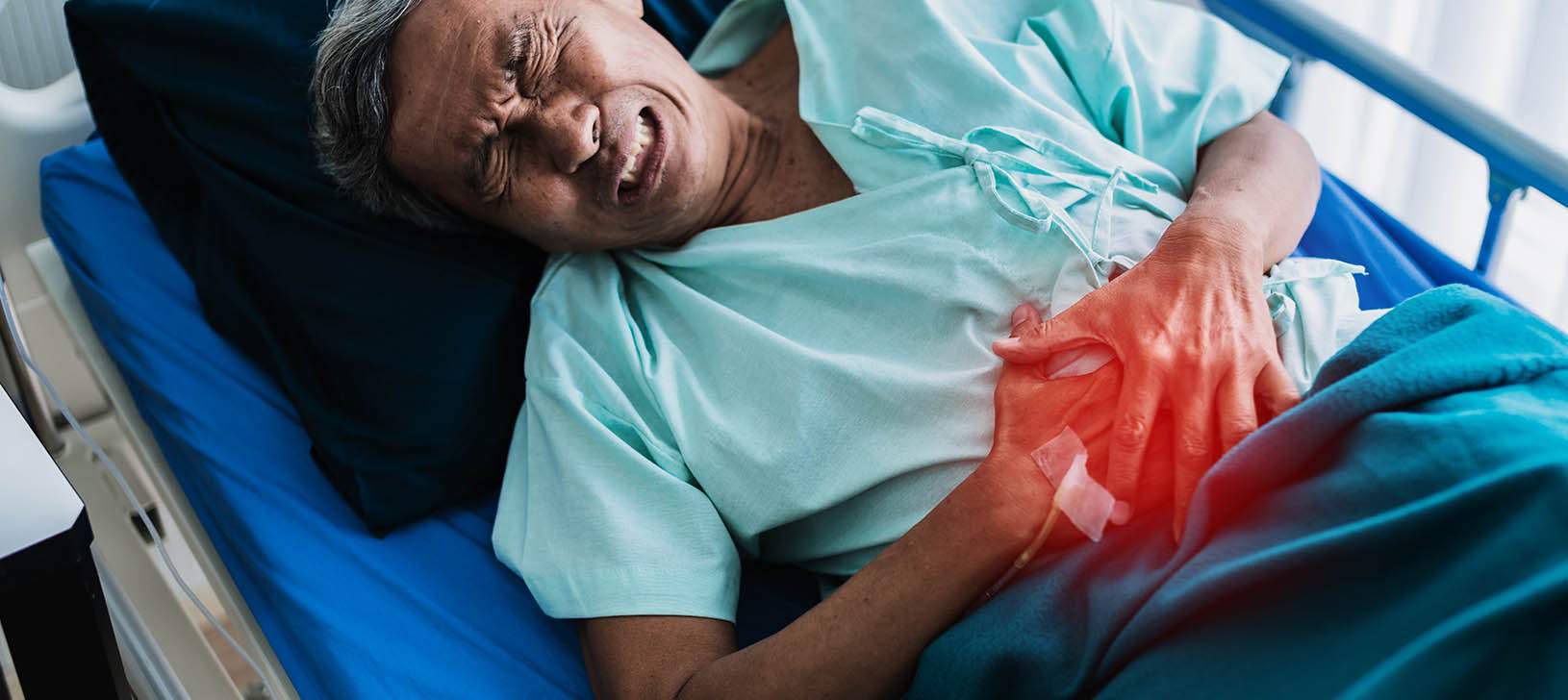
What is ERCP?
ERCP is a medical procedure that combines upper gastrointestinal endoscopy with X-rays to diagnose and treat issues in the bile and pancreatic ducts. ERCP stands for Endoscopic Retrograde Cholangiopancreatography. A specialised tool called “endoscope” is used to perform the procedure.
ERCP in Ahmedabad:
The endoscope is inserted through your mouth into your stomach and the first part of the small intestine, known as the “duodenum.” Afterward, a small, flexible plastic tube is passed through the scope, and a special dye is injected that shows up on X-rays. This allows the doctor to clearly see the ducts and assess their function.
Why is ERCP Performed?
Some common reasons for ERCP include:
- Jaundice (yellowing of the skin or eyes), light-colored stool, and dark urine
- Gallstones or pancreatic duct stones
- Lesions or tumors in the pancreas, gallbladder, or liver
ERCP may also be performed before or after gallbladder surgery. For example, it can help locate and remove gallstones from the bile duct or pancreas. ERCP can also assist in identifying cancer or non-cancerous growths, and if the bile duct is blocked, a small plastic tube, called a “stent,” may be inserted to keep the duct open and ensure proper flow of digestive juices. Additionally, ERCP can be used to address complications following gallbladder surgery.
How ERCP is Performed :
ERCP is generally an inpatient procedure for patients who have blockages in their bile or pancreatic ducts. Sedation will be provided through an intravenous line to help you relax.
During the procedure:
- 1. Numb your throat using an anesthetic spray.
- 2. Insert the endoscope through your mouth and guide it into the esophagus, stomach, and duodenum (upper small intestine).
- 3. Pump air into your stomach and duodenum to make the organs easier to see.
- 4. Insert a catheter through the endoscope to reach the bile and pancreatic ducts.
- 5. Inject a special dye through the catheter.
- 6. Use fluoroscopy (real-time X-rays) to watch the dye as it travels through the ducts.
- 7. Look for signs of blockage or other issues.
What to Expect After ERCP:
After the procedure, your throat may feel irritated. It’s advisable to stick to soft foods for a day or two until the soreness subsides.
You may also experience some bloating due to the air pumped into your stomach and duodenum, as well as nausea, which is a common side effect of anesthesia. Most patients can resume normal activities, including work, the day after the procedure, with approval from their doctor.
Cost of ERCP in Ahmedabad:
Dr. Ajay Choksey has successfully performed numerous ERCP procedures for patients with issues in their pancreatic and bile ducts. ERCP is rarely used purely for diagnostic purposes. The cost of an ERCP procedure in Ahmedabad depends on the condition being treated and the hospital’s services.
Book an Appointment
Dr. Ajay Choksey at Zydus Hospital provides top-tier treatment for gastrointestinal diseases in Ahmedabad. For more information about our treatment options or to schedule an appointment with one of the best hepatologist in Ahmedabad, call +91-8980019439, or click on “Book Appointment” for online booking.
Dr Ajay Choksey
We are a team of renowned consultant gastroenterologists and hepatologists dedicated to providing the highest quality medical care to patients diagnosed with liver-related issues.
Dr. Ajay Choksey, a distinguished figure in the realm of gastroenterology and hepatology, has solidified his position as a leading expert in the city. Renowned for his exceptional clinical acumen and compassionate patient care.
Quick Links
Our Services
- 2nd floor Zydus hospital , Zydus hospital road , SG Highway , Ahmedabad , Gujarat, 380054
- ajay_choksey@yahoo.co.uk
- +91-7966190201
- +91-7971666101
You can reach us by phone, where our lines are open 24×7. Alternatively, you reach us via email.
© 2026 Dr. Ajay Choksey | All Right Reserved.